
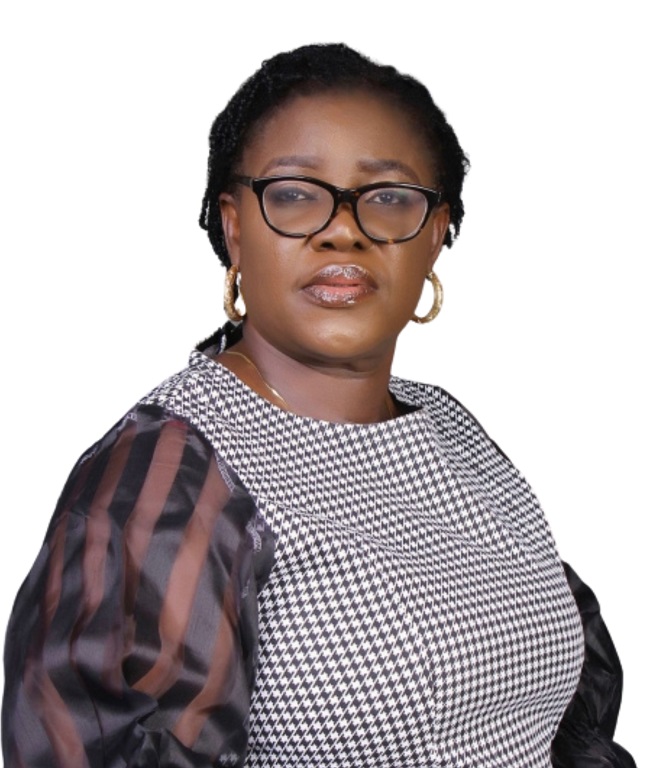
Prof. Uju Agomoh, the doyen of prisoner rights advocacy and Chair of the Nigerian Bar Association Section on Public Interest and Development Law (NBA-SPIDEL) has been elected President of the International Rehabilitation Council for Torture Victims (IRCT) for 2026-2029.
Agomoh, who is also the President of Prisoners Rehabilitation and Welfare Action (PRAWA), posted a landslide victory to defeat her only challenger, Yasser Abu-Jamei of Palestine, representing the Middle East and North africa region. She won with 69 percent of the votes. Stakeholders have adjudged her victory as a vote for Sub Saharan Africa.
The International Rehabilitation Council for Torture Victims currently has 176 member centres in 80 countries worldwide. The centres provide medical, psychological, legal and social rehabilitation services to survivors of torture, representing approximately 4,000 professionals.
The elected Vice President is from Australia and other members of elected IRCT Executive Committee are from Germany (representing Europe ), Philippines (representing Asia), Guatemala (representing Latin America), USA (North America) and Palestine (representing MENA Region).
IRCT is a global network of civil society organisations and independent experts who support survivors of torture to heal and rebuild their lives through rehabilitation, including medical, psychological, legal and social support. It also produces forensic evidence, publishes academic research, and fights for justice. Its member centres treat almost 72,000 torture survivors annually, according to its Global Impact Data 2025.
Speaking exclusively to CITY LAWYER, Agomoh said her presidency will focus on building “a stronger, more inclusive, sustainable, and globally influential IRCT — one that empowers its members, advances the rights and recovery of survivors, and strengthens the collective global response to torture. We will work together to build on IRCT’s achievements so far.”
Agomoh, a foremost prisoner rights advocate, outlined her “7-point Agenda” as follows:
Listen first. In the first 3-6 months, hold structured consultations with each region and agree with the Council on a short list of outcomes.
Work for members’ sustainability. Use the President’s role in donor and partner relationships to open opportunities for member centres, not only for the Secretariat.
Link rehabilitation to prevention. Bring members’ clinical expertise into the work of UN and regional prevention bodies, and national preventive mechanisms.
Ensure survivors have a meaningful voice in decisions. Work with the Survivor Advisory Board and encourage our members and others to do so, so that survivors’ perspectives should help shape governance and priorities, not only programmes.
Govern openly. Report regularly to the Council on the outcomes we agree on, including where we fall short.
Increase Our Global Reach: Encourage establishment of centres in countries and regions where we do not have IRCT member centres, supporting locally led rehabilitation initiatives and partnerships in underserved settings, while sustaining current members.
Strengthen Our Collective Voice & Influence: Advocating and leveraging international, continental/regional, sub-regional, and national mechanisms to support prevention of torture and rehabilitation of torture survivors.
(C) CITY LAWYER Magazine. All rights reserved. To join our Channel, click here. Click here to join our WhatsApp chatroom. Contact us at citylawyermag@gmail.com or 081-3838-0083.
Leave a Reply
You must be logged in to post a comment.