
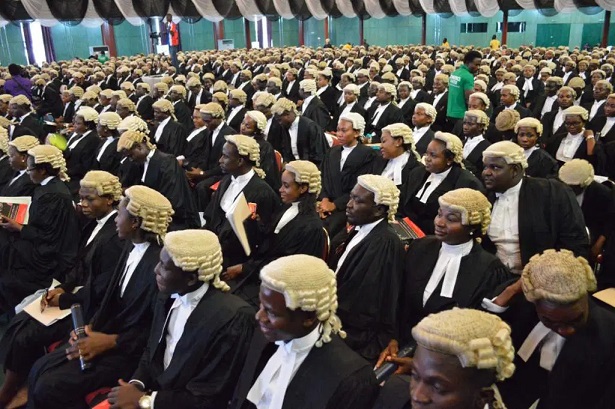
CULTIVATING LEGAL TALENTS IN THE INTELLIGENT ERA: FROM LEGAL KNOWLEDGE TO HUMAN MASTERY
By Raphael Christopher
The intelligent era is transforming the legal profession. Artificial intelligence can analyse documents, research authorities, identify patterns and generate legal arguments at remarkable speed. Yet technology alone cannot produce wisdom, integrity, creativity or justice. The challenge for legal education is to cultivate lawyers who can combine technological competence with distinctly human excellence.
The lawyer of tomorrow must learn not merely to know the law, but to think critically, innovate responsibly and exercise sound judgment.
Cultivating legal talent requires a shift from memorisation towards mastery. Students must develop analytical reasoning, persuasive communication, negotiation, advocacy and the ability to interpret complex legal problems. AI should strengthen these capabilities, not replace the intellectual effort through which they develop.
Creativity is equally essential. Emerging legal challenges involving digital evidence, algorithmic discrimination, cybersecurity, intellectual property and cross-border disputes demand professionals who can question established assumptions and design effective solutions. In arbitration and mediation, emotional intelligence, cultural awareness and the ability to understand human interests remain indispensable.
Legal institutions must therefore embrace practical, technology-enabled education. AI-assisted research, simulated hearings, digital case analysis, collaborative problem-solving and supervised professional placements can bridge the gap between academic knowledge and professional competence.
However, technological fluency must be accompanied by ethical discipline. Future lawyers must verify AI-generated authorities, protect confidential information, recognise algorithmic bias and remain accountable for their advice and decisions. The convenience of automation must never become an excuse for professional negligence.
Mentorship also matters. Experienced practitioners must transmit not only technical knowledge but the values, judgment and professional courage that sustain public confidence in the justice system.
For Africa, this transformation presents an opportunity to develop globally competitive legal talent, strengthen access to justice and create innovative approaches to dispute resolution.
The ultimate measure of legal education is not how much a lawyer knows, but how wisely that knowledge is applied in the service of justice.
In the intelligent era, technology may amplify talent, but purposeful education, ethical leadership and human judgment will determine its value.
#LegalEducation #ArtificialIntelligence #LegalTalent #FutureOfLaw #LegalInnovation #LeadershipLessons #Africa #ResponsibleAI
- Christopher is the CEO of Just Arbitration Worldwide.
(C) CITY LAWYER Magazine. All rights reserved. To join our Channel, click here. Click here to join our WhatsApp chatroom. Contact us at citylawyermag@gmail.com or 081-3838-0083.
Leave a Reply
You must be logged in to post a comment.