
By Okechukwu Nwanguma
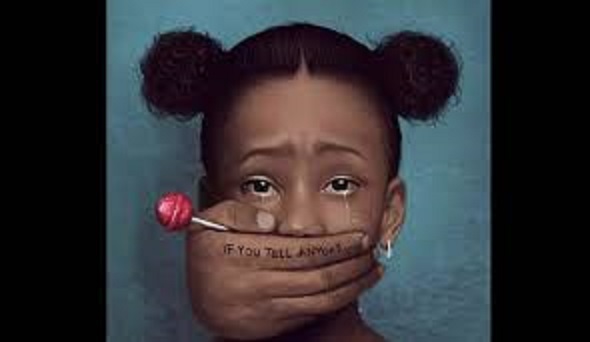
The alleged defilement of a nine-year-old girl in Amainyi Autonomous Community, Ihitte Uboma Local Government Area of Imo State, and the threats faced by a journalist investigating the case, expose a disturbing but familiar pattern in Nigeria’s response to sexual violence against children: impunity sustained by silence, compromise, and abuse of discretion.
This must be stated loud and clear: defilement of underage girls is a serious criminal offence that cannot be negotiated, settled, withdrawn, or compounded. It is not a “family matter.” It is not subject to forgiveness, apology, or monetary compensation. It is a crime against the State, and the law mandates prosecution – regardless of the wishes of parents, community leaders, or even the victim’s family.
When Parents Become Complicit
One of the most troubling dimensions of many child sexual abuse cases in Nigeria is the role played by parents who, out of fear, poverty, stigma, or ignorance, accept money from perpetrators and withdraw cooperation with law enforcement. This is not merely unfortunate – it is criminally reprehensible.
Parents who accept monetary settlements to cover up the sexual abuse of their children are aiding and abetting a serious felony. They are complicit in the continued violation of children and must themselves be investigated and prosecuted. The law does not permit parents to trade away the rights, dignity, and bodily integrity of a child.
A child cannot consent to sex. A parent cannot consent on behalf of a child. No amount of money can erase sexual violence.
The Dangerous Role of Complicit Policing
Equally disturbing is the role of police officers who allow, encourage, or hide behind parental withdrawal to abandon investigations into defilement cases. Police authorities must make it unequivocally clear to investigators that ignorance or cooperation by parents does not extinguish criminal liability.
Police investigators who allow parents to “settle” defilement cases, accept excuses for failure to produce victims, grant bail casually in grave sexual offences, or claim lack of complainant despite independent reports and medical evidence are not helpless – they are derelict in duty. Worse still, any officer who facilitates settlement, collects money, or deliberately frustrates prosecution is compounding a felony and obstructing justice.
The law is explicit. Under the Criminal Code, the Violence Against Persons (Prohibition) Act, and the Child’s Rights Act, defilement attracts life imprisonment. These laws do not condition prosecution on parental enthusiasm or community approval.
Journalism Under Threat, Justice Under Siege
The threats allegedly issued against journalist Everest Ezihe for investigating the Amainyi case represent another dangerous layer of this crisis. When journalists are threatened for asking questions about child sexual abuse, it signals an attempt to silence scrutiny and protect perpetrators.
Threatening a journalist is itself a crime. It reflects desperation, not innocence. Law enforcement must treat such threats as part of a broader attempt to obstruct justice.
A Pattern, Not an Isolated Case
Sadly, this is not an isolated incident. Similar patterns have emerged in other parts of Imo State, including the reported gang rape of a minor in Obibi village, Adakam, in December 2023. In that case, suspects were never arrested, parents allegedly compromised, and police investigations stalled indefinitely.
This pattern reveals a systemic failure – one that emboldens perpetrators, traumatizes survivors, and teaches communities that sexual violence against children carries no consequences.
What Must Change
First, police authorities must issue clear directives: defilement cases must proceed to prosecution regardless of parental cooperation.
Second, parents who obstruct justice or accept settlements must be investigated for aiding and abetting.
Third, police officers who compromise or frustrate investigations must face disciplinary and criminal sanctions.
Fourth, journalists and whistleblowers investigating child sexual abuse must be protected, not threatened.
Finally, communities must understand that silence does not protect children – it protects predators.
Justice for Children Is Not Optional
At RULAAC, we maintain that child sexual abuse is among the gravest violations of human dignity. Any society that allows it to be negotiated, settled, or ignored has failed its most vulnerable members.
The law is clear. The duty is clear. The moral line is clear.
Defilement is not negotiable. Not by parents. Not by police. Not by anyone.
- Okechukwu Nwanguma is the Executive Director of RULAAC
Leave a Reply
You must be logged in to post a comment.