
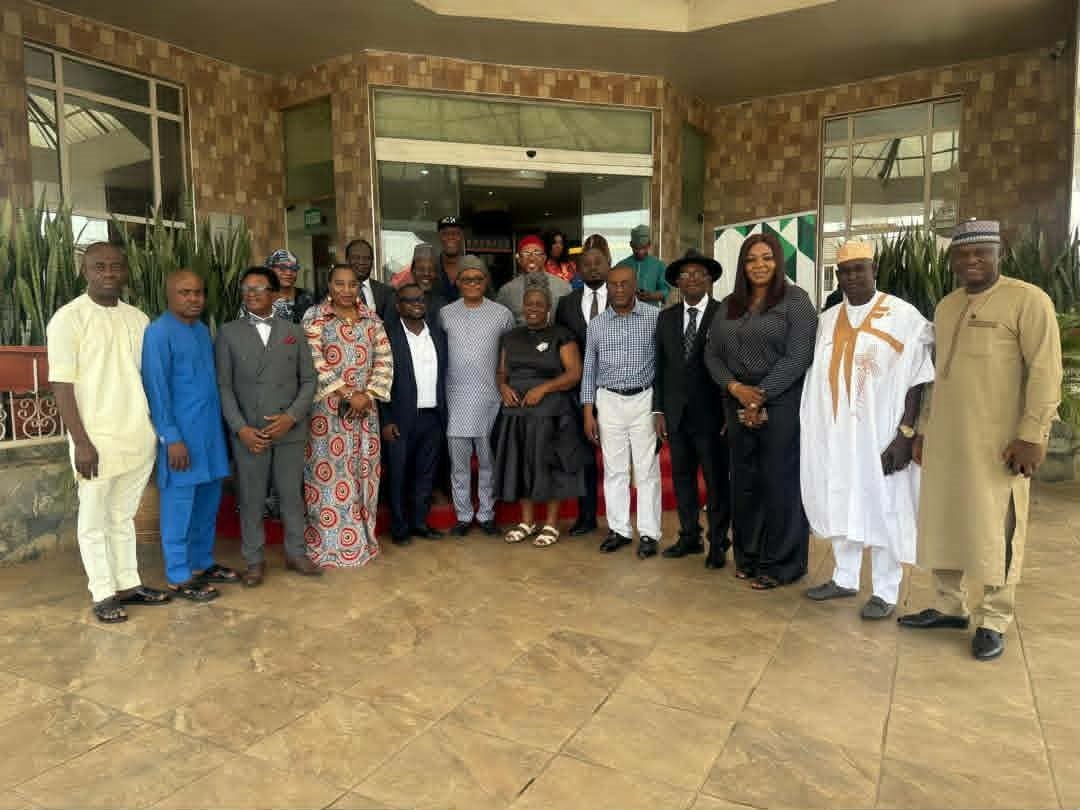
- AS ODINKALU, OKUTEPA, NWADIOKE, OTHERS LEAD STRATEGY SESSIONS
At a time when Nigeria’s democratic institutions are under mounting strain, the Nigerian Bar Association’s Section on Public Interest and Development Law (NBA–SPIDEL) has moved to reclaim what it describes as the law’s most critical function: serving as the country’s democratic guardrail.
That was the central thrust of a three-day Strategy Workshop and Executive Committee Meeting held in Abuja, where senior lawyers, human rights advocates and development partners confronted the growing gap between constitutional promises and lived reality—marked by insecurity, shrinking civic space, and declining public trust in state institutions.
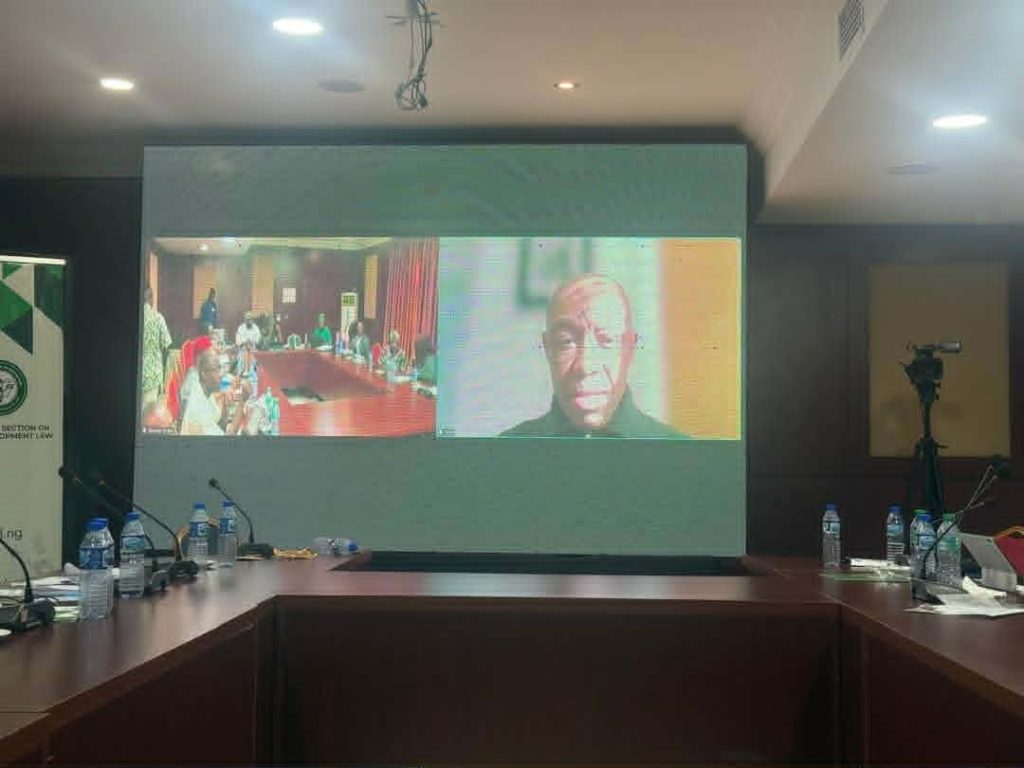
The message emerging from the sessions led by the NBA–SPIDEL Chairperson, Assoc. Prof. Uju Agomoh was unequivocal: public interest law is not a peripheral advocacy tool, but the stabilising framework that holds democracy in place when politics falters.
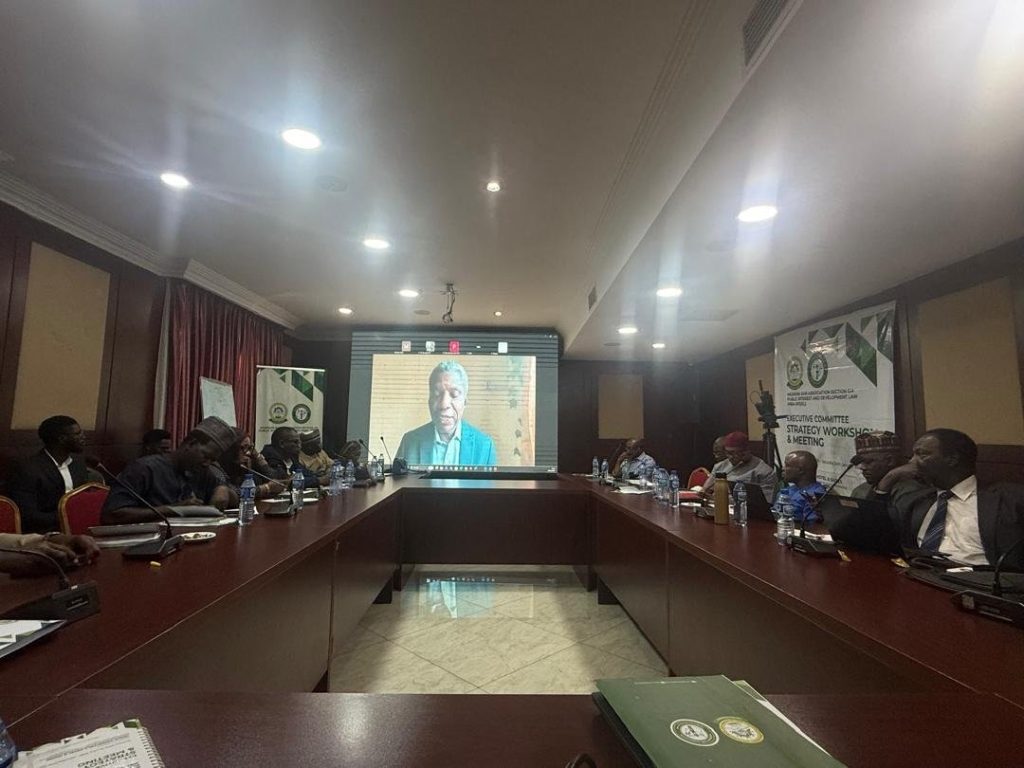
Law as the Last Line of Democratic Defence
Opening the workshop, NBA President Mazi Afam Osigwe, SAN, underscored the responsibility of the legal profession in moments of national fragility, warning that when institutions fail, the burden of accountability often shifts to the courts, civil society and principled legal actors.
Participants noted that Nigeria’s current trajectory —characterised by selective law enforcement, executive overreach and citizen helplessness—has elevated public interest litigation from a specialist practice into a national necessity.
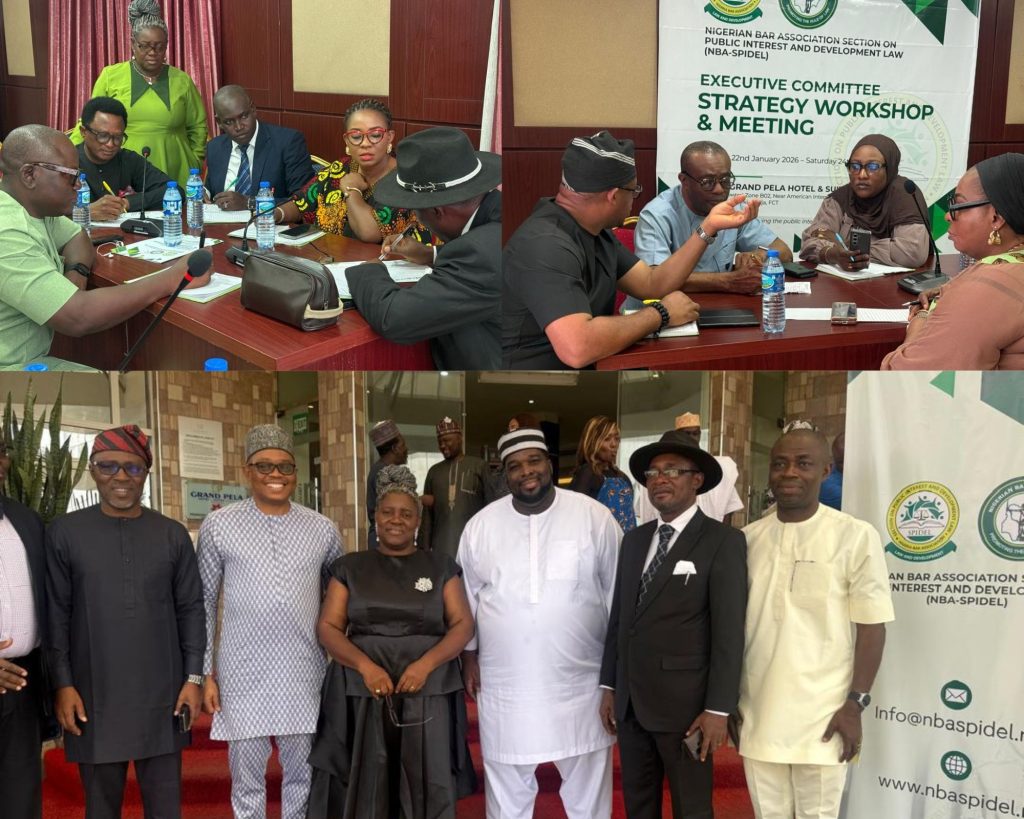
From Visibility to Democratic Relevance
While SPIDEL has historically played a decisive role in rights protection and institutional reform, the workshop acknowledged that influence alone is insufficient if it is not continuously asserted in the public domain.
Facilitators stressed that silence by credible legal institutions allows distortions to harden into accepted truth, weakening democratic norms over time. As such, communication was framed not as publicity, but as a constitutional duty.
This reframing placed SPIDEL’s media strategy in its proper context: as a support system for democratic defence, not a branding exercise.

Explaining What the Law Means for Democracy
Under the revised strategy, SPIDEL will move beyond reactive commentary toward agenda-setting—interpreting national events through the lens of constitutionalism, separation of powers and human rights obligations.
Rather than asking merely what happened, SPIDEL aims to clarify what it means for democratic governance.
Success, participants agreed, would be measured not by media mentions, but by whether journalists, citizens and policymakers instinctively turn to public interest law for authoritative framing during moments of crisis.
Building Capacity to Hold the Line
To sustain this guardrail role, the workshop endorsed structural reforms including strengthened governance codes, communication discipline and internal accountability mechanisms — recognising that democratic credibility begins with institutional integrity.
Initiatives such as coordinated member engagement, rapid legal response systems and human-centred legal explanations were adopted as tools to ensure that constitutional principles are defended swiftly, clearly and consistently when threatened.
Development partners, including the UN Office of the High Commissioner for Human Rights (OHCHR), reiterated the importance of independent legal voices in policing reform, peacebuilding and accountability frameworks—areas where democratic erosion often begins quietly.
The Guardrail, Not the Spotlight
By the close of the workshop, SPIDEL’s leadership was clear-eyed about its role in Nigeria’s democratic ecosystem. It is not to dominate headlines, but to prevent democratic freefall—often before the damage becomes irreversible.
As one closing remark captured the mood: “When public interest law is weak, democracy has no brakes.”
Among the facilitators at the strategy sessions were former Chairman of the National Human Rights Commission (NHRC), Prof. Chidi Odinkalu; former NBA Chief Prosecutor, Chief Jibrin Okutepa SAN; senior lawyer and leading blogger, Mr. Emeka Nwadioke; senior lawyer, Mr. Emmanuel Oluwabiyi; former Head of Public Relations at the Nigeria Correctional Service, Mr. Francis Enobore, as well as the Publisher of Law and Society MagazineLillian Okenwa.
(C) CITY LAWYER Magazine. All rights reserved. To join our Channel, click here. Click here to join our WhatsApp chatroom. Contact us at citylawyermag@gmail.com or 081-3838-0083.
Leave a Reply
You must be logged in to post a comment.