
BY MUHAMMAD IDRIS
The recent press statement issued by the President of the Nigerian Bar Association (NBA) rejecting the intervention of the Honourable Attorney-General of the Federation (AGF) in the ongoing controversy surrounding the forthcoming NBA National Officers’ Election is, with profound respect, unfortunate, legally unsustainable and inconsistent with the very principles of constitutionalism and the rule of law which the Bar exists to defend.
The issue before the legal profession is not whether the Nigerian Bar Association is an independent body. It undoubtedly is. The real issue is whether, in the face of serious allegations affecting the credibility of its electoral process and with several matters already pending before courts of competent jurisdiction, the Attorney-General of the Federation, as the Chief Law Officer of the Federation, is precluded from intervening in an effort to preserve the integrity of the legal profession and avert an avoidable constitutional and institutional crisis. With respect, the answer must be in the negative.

The NBA President appears to have proceeded on the erroneous premise that every intervention by the Attorney-General necessarily amounts to an attempt to bring the NBA under governmental control. This is jejune and puerile. That proposition finds no support in law or logic. The Attorney-General’s intervention, viewed objectively, was directed at resolving an escalating dispute threatening the credibility of the legal profession and the legitimacy of the forthcoming election.
More importantly, the President’s response overlooks an even more fundamental issue. The disputes concerning the NBA election are already the subject of pending judicial proceedings. Indeed, the NBA itself acknowledges that suits relating to the electoral process are pending and that appeals have equally been entered.
Once issues touching the conduct of an election are sub judice and judicial orders affecting that process are under appellate consideration, prudence, respect for the judiciary and fidelity to the rule of law require every stakeholder to exercise restraint.
Proceeding with the election under such circumstances carries the real danger of rendering the eventual decisions of the courts ineffective or merely academic. Such conduct would not only undermine public confidence in the administration of justice but could also diminish the authority and dignity of the courts.
The rule of law demands more than professed allegiance to judicial decisions; it equally requires restraint where judicial processes are actively engaged. It is therefore surprising that the Nigerian Bar Association, which has consistently insisted that governments and public institutions obey court orders and respect pending proceedings, should appear eager to proceed with an election whose legal foundation remains the subject of unresolved litigation.
One is therefore compelled to ask: Why the haste? If confidence truly exists in the integrity of the electoral process, a short postponement pending the determination of the pending legal proceedings would neither prejudice any candidate nor diminish the democratic credentials of the Bar. On the contrary, it would strengthen public confidence in the legitimacy of the eventual outcome.
Equally disturbing is the attempt to reduce the present controversy to an ethnic or sectional contest. Regrettably, the NBA President’s response appears to reinforce the narrative that Egbe Amofin is merely seeking to foist its preferred candidate on members of the Association. That narrative is misleading and does not withstand objective scrutiny.
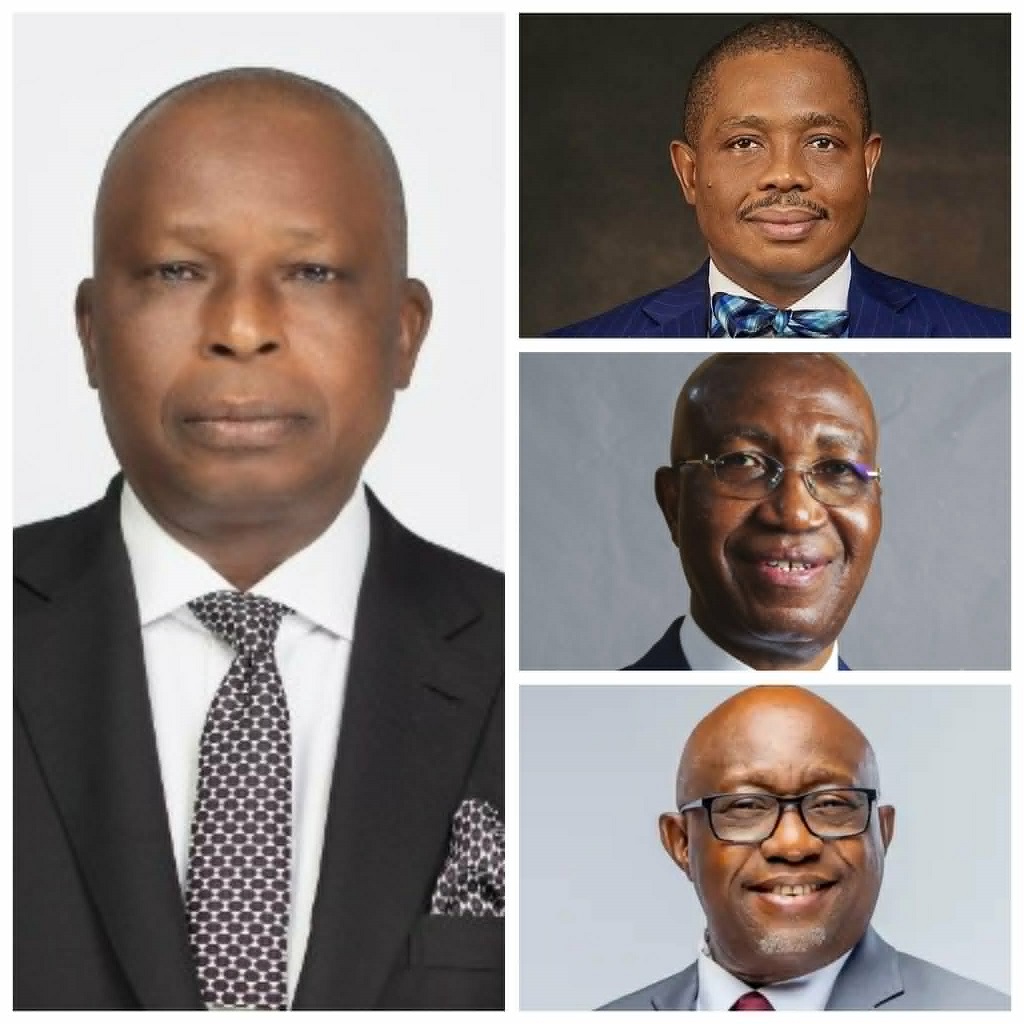
The undisputed fact is that the three leading presidential contestants are all members of Egbe Amofin and are all of South-West extraction. It therefore defies both logic and common sense to suggest that the present controversy is about preventing the emergence of an Egbe Amofin candidate or a South-West candidate.
The issue has never been regional, ethnic or sectional. The real concern, and rightly so, is the allegation that the electoral process allegedly ceased to provide a level playing field; that actions and decisions of those entrusted with managing the election created an appearance of bias, compromised institutional neutrality and conferred an undue advantage on a preferred candidate. These are grave allegations that strike at the very integrity and credibility of the electoral process.
Significantly, those concerns reportedly featured prominently in the committee’s report. Yet, while the NBA President vigorously challenged the competence of the Honourable Attorney-General to intervene, there was no categorical rebuttal of the substantive allegations of bias, partisanship and preferential treatment said to have informed the committee’s recommendations. Equally noteworthy is that there has been no denial that the committee was duly constituted or that it examined the complaints placed before it.
Much emphasis has also been placed on the personal position allegedly taken by Chief Wole Olanipekun, SAN. With profound respect, the opinion of the Chairman of a committee, however distinguished, cannot constitute the decision of the committee itself. Committees speak through their collective resolutions and recommendations, not through the individual views of their Chairmen. If the report represents the work of a three-member committee, then the views of one member cannot, without more, negate the collective findings or recommendations of the committee.
The allegations of bias and partisanship were sufficiently weighty to warrant caution. A responsible leadership, committed to preserving confidence in the electoral process, ought to have embraced the Attorney-General’s intervention, or at the very least suspended further steps pending the resolution of the issues raised. Fidelity to the rule of law required nothing less.
Equally troubling is the speed with which the NBA President rejected the Attorney-General’s intervention. The haste with which the statement was issued creates the unfortunate impression that greater importance is being attached to keeping the election timetable than to ensuring that the process itself enjoys the confidence of all stakeholders.
Leadership demands more than firmness. It requires maturity, restraint and the wisdom to appreciate that justice must not only be done but must manifestly be seen to have been done, especially where the election concerns those who will lead the foremost professional body of lawyers in Nigeria.
The Nigerian Bar Association occupies a unique constitutional position as the foremost defender of judicial independence, constitutional democracy and the rule of law. It must therefore hold itself to the same standards it consistently demands of governments and public institutions.

Ironically, the Attorney-General’s intervention may well have saved the NBA from a far greater institutional crisis. An election conducted while substantial legal challenges remain unresolved risks being subjected to the full weight of subsequent judicial pronouncements. Should the courts ultimately find merit in the pending challenges, the legitimacy of the election itself may become vulnerable, thereby plunging the Association into avoidable uncertainty and division.
Rather than weakening the independence of the Bar, the Attorney-General’s intervention demonstrates leadership directed at preserving the credibility of the legal profession and preventing an avoidable institutional embarrassment.
The Nigerian Bar Association should welcome every lawful effort aimed at ensuring that its electoral process is transparent, credible and beyond reasonable reproach. The Bar has always insisted that governments obey court orders and respect pending judicial proceedings. It must now demonstrate the same fidelity to those principles.
The rule of law is not a slogan. It is a discipline. It demands patience where the courts are seized of a matter, fairness where allegations of bias have been raised, and institutional humility where public confidence is at stake.
The credibility of the next NBA leadership will ultimately depend not merely on who wins the election, but on whether every member of the Bar can confidently say that the process was transparent, impartial and beyond legitimate reproach. That is why this moment calls not for haste, but for restraint; not for defiance, but for fidelity to the rule of law. The rule of law must begin with the Bar itself.
- Muhammad Doko Idris: M D Idris Esq. Lagos Branch
DISCLAIMER: The views expressed in this commentary are entirely those of the author.
(C) CITY LAWYER Magazine. All rights reserved. To join our Channel, click here. Click here to join our WhatsApp chatroom. Contact us at citylawyermag@gmail.com or 081-3838-0083