
By Favour Abalaka
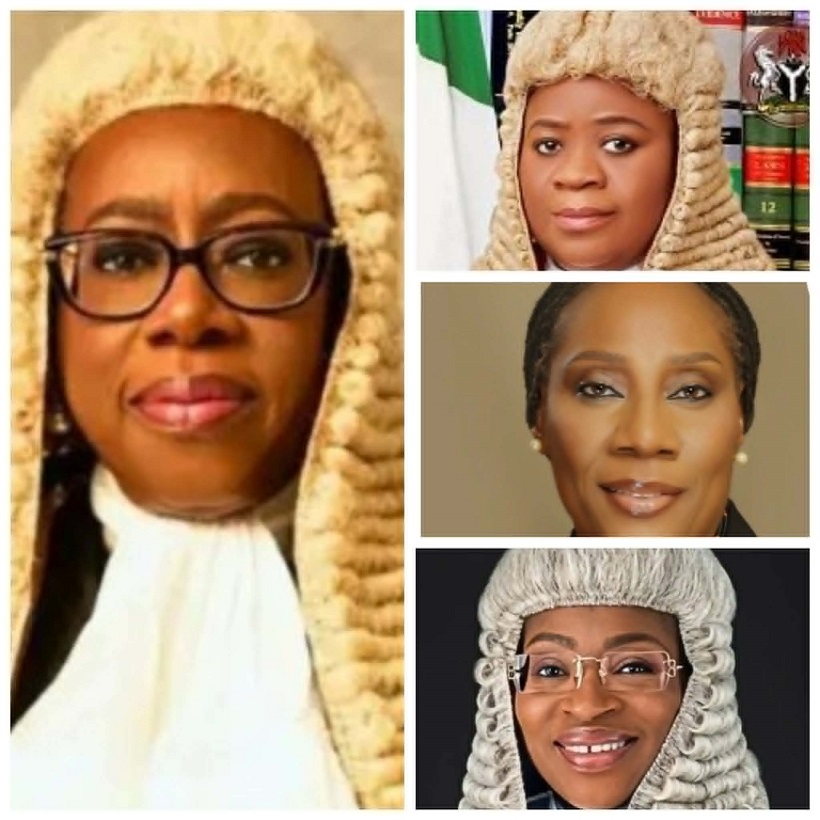
For the first time in Nigeria’s legal history, four women simultaneously sit at the helm of the judiciary’s highest echelons, legal education, and the Bar. FAVOUR ABALAKA takes a look at the careers of Justice Kudirat Kekere-Ekun (Chief Justice of Nigeria and Head of the Supreme Court), Justice Monica Bolna’an Dongban-Mensem (President of the Court of Appeal), Olugbemisola Odusote (Director General of the Nigerian Law School), and Oyinkansola Badejo-Okusanya (President-elect of the Nigerian Bar Association)
JUSTICE KUDIRAT KEKERE-EKUN
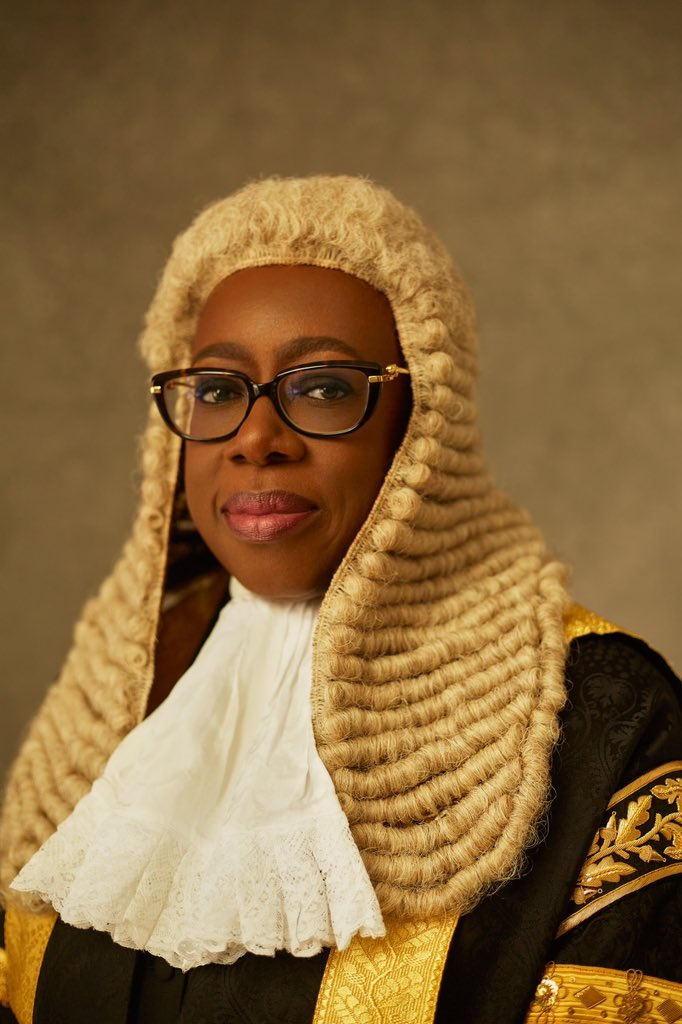
Born on May 7, 1958, in London, United Kingdom, Justice Kudirat Kekere-Ekun hails from a distinguished Lagos family with deep roots in law, public service and community leadership. She is the eldest of 11 children in a polygamous family.
Her father, the late Senator Hassan Fasinro, was a renowned lawyer, politician, author and devout Muslim. He served as a senator during Nigeria’s Second Republic and belonged to several royal families in Lagos. Her mother, Winifred Ogundimu (née Savage), was a United Kingdom-trained public health nurse and devout Christian who built a distinguished career in the Lagos State Civil Service.
This unique blend of intellectual discipline, strong moral values and rich cultural heritage played a significant role in shaping Kekere-Ekun’s character and outlook. She attended Queen’s College, Lagos, for her secondary education before obtaining a Bachelor of Laws degree from the University of Lagos in 1980. She was called to the Nigerian Bar in July 1981 after completing her studies at the Nigerian Law School and subsequently undertook her National Youth Service Corps programme at the Ministry of Justice in Benin City. In 1983, she earned a Master of Laws degree from the London School of Economics and Political Science.
Kekere-Ekun began her legal career in private practice as an associate at M.O. Oseni & Co., where she worked from 1985 to 1989. In December 1989, she joined the Lagos State Judiciary as a Senior Magistrate Grade II and rose to the rank of Chief Magistrate Grade II in 1993. She was appointed a Judge of the Lagos State High Court in July 1996 and served as Chairperson of the Robbery and Firearms Tribunal, Zone II, Ikeja, between 1996 and 1999.
Her judicial career continued its upward trajectory with her elevation to the Court of Appeal in September 2004. She served in several divisions of the appellate court and became the pioneer Presiding Justice of both the Makurdi and Akure Divisions. On July 8, 2013, she was sworn in as a Justice of the Supreme Court, becoming the fifth woman—and the youngest at the time—to attain Nigeria’s highest judicial office.
During her tenure at the Supreme Court, Justice Kekere-Ekun participated in several landmark judgments that shaped constitutional jurisprudence and electoral law. On August 22, 2024, she was sworn in as Acting Chief Justice of Nigeria following the retirement of her predecessor. She was subsequently confirmed as the substantive Chief Justice of Nigeria on November 30, 2024, becoming the second woman to occupy the nation’s highest judicial office after Justice Aloma Mukhtar.
In recognition of her outstanding service to the nation, she was conferred with the national honour of Commander of the Order of the Federal Republic in 2022 and later elevated to Grand Commander of the Order of the Niger. A Life Bencher, she has chaired several key judicial committees and serves as President of the International Association of Women Judges.
Justice Kekere-Ekun’s leadership is defined by integrity, diligence, judicial independence and administrative efficiency. She has consistently championed reforms aimed at improving the speed of justice delivery, strengthening institutional capacity and restoring public confidence in the judiciary.
She has been married to Akin Kekere-Ekun since 1983, and they are blessed with three accomplished children. Widely regarded as a trailblazer, Justice Kekere-Ekun’s career reflects a lifetime of excellence, dedication and service. As Chief Justice of Nigeria, she is well positioned to leave an enduring legacy through reforms that strengthen judicial institutions and uphold the rule of law for generations to come.
JUSTICE MONICA DONGBAN-MENSEM
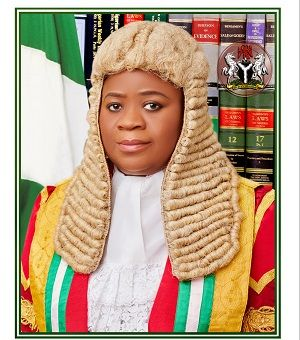
Justice Monica Bolna’an Dongban-Mensem was born on June 13, 1957, in Plateau State to the family of William Mensem, an educator from Shendam Local Government Area. Raised with strong values of discipline and service, her early life reflected the resilience of her heritage.
She earned her Bachelor and Master’s degrees from the Ahmadu Bello University, Zaria; and a postgraduate diploma from the Institute of Advanced Legal Studies, London. Called to the Bar around 1980, she began as a Magistrate in Plateau State (1981–1990), advancing through various grades. She served as Registrar of the Plateau State High Court, Deputy Chief Registrar (Superior Courts and Protocol), and lecturer (visiting on Press Law and part-time at the University of Jos). She was appointed a judge of the Plateau State High Court (1993–1996) and transferred to the FCT Judiciary in 1997. Elevated to the Court of Appeal in 2003, she served across divisions and as Presiding Justice of the Enugu Division.
On June 19, 2020 (after acting from March), she was sworn in as President of the Court of Appeal, the second woman in the role. Her appointment, confirmed by the Senate, recognised merit, hard work, and character. As PCA, she has driven administrative reforms, emphasising case management, accountability, and backlog reduction. Under her leadership, the court cleared thousands of appeals, significantly lowering the nationwide backlog through rigorous tracking and efficiency measures. She has advocated for constitutional amendments to increase the number of justices, addressing workload challenges.
A specialist in criminal and civil procedure, taxation, public international law, legislative drafting, and constitutional matters, she authored The Defendant (1991) and has delivered over 250 judgments. Her civic contributions include founding the Kwapda’as Road Safety Demand after the tragic death of her first son, Samson, in a road accident in 2011. The NGO promotes road safety education, victim support, and awareness, collaborating with global bodies. A Life Member of the Body of Benchers, she enjoys writing, reading, golf, and mentoring women, children, and the elderly. A mother of four and grandmother, she balances judicial excellence with compassion.
Justice Dongban-Mensem’s impact lies in her commitment to merit-based justice, institutional strengthening, and human-centered reforms. Her tenure has enhanced the Court of Appeal’s efficiency and public perception, inspiring greater confidence in the appellate system.
OLUGBEMISOLA TITILAYO ODUSOTE
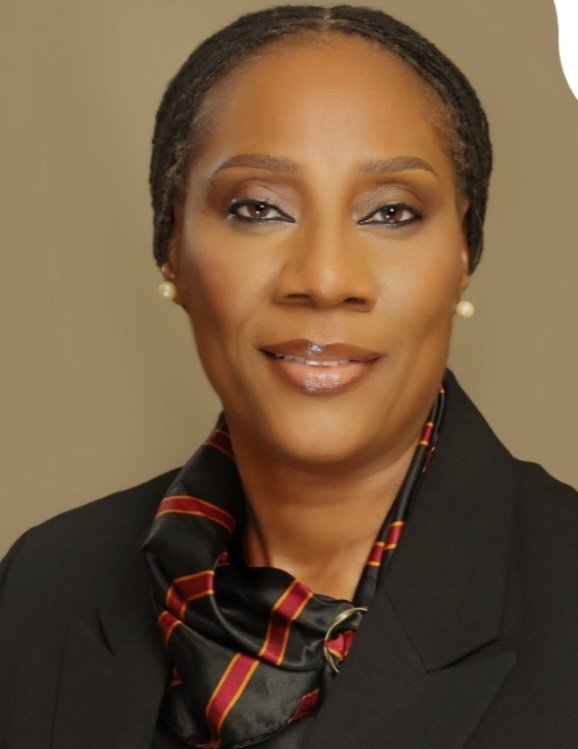
Dr Olugbemisola Titilayo Odusote, a distinguished legal academic and administrator, was born in 1969. Details of her early life highlight a foundation rooted in academic excellence and public service values that propelled her remarkable career in legal education.
She obtained her Bachelor’s degree in Law from Obafemi Awolowo University and was called to the Nigerian Bar in 1988. She earned an LL.M from OAU, specialising in Company and Commercial Law, followed by a PhD in Law from the University of Surrey, United Kingdom, focusing on Public Law and the administration of justice. She also served as a visiting scholar at Nottingham Trent University.
Odusote joined the Nigerian Law School in 2001 as a lecturer, marking the start of over two decades of dedicated service. She rose through the ranks, serving as Head of the Academic Department, Director of Academics, and Head of Campus. Immediately before her elevation, she was Deputy Director-General and Head of the Lagos Campus. She has taught Property Law Practice (including Wills and Estate) for nearly two decades and contributed extensively to curriculum development.
On January 10, 2026, President Bola Tinubu appointed her Director-General for a four-year term, making her the first woman to lead the institution since its founding in 1962. At 57, this milestone underscores her expertise and the growing recognition of women in legal academia.
Her contributions include publications in local and international journals, presentations at legal education conferences, and service on committees of the Council of Legal Education and Nigerian Bar Association. As DG, she is responsible for academic leadership, administrative management, strategic direction across campuses, and liaison with key stakeholders. Her vision centers on modernising legal training, upholding high standards for Bar qualification, enhancing ethics and practical skills, and preparing lawyers for contemporary challenges in justice administration and commercial practice.
Odusote’s leadership promises continuity with innovation strengthening institutional governance, improving student outcomes, and fostering research. Her appointment inspires aspiring female legal educators and signals a new chapter for the Nigerian Law School as a beacon of excellence in Africa. A committed professional, she embodies the ideal of scholar-administrator dedicated to nurturing the next generation of Nigerian lawyers.
OYINKANSOLA BADEJO-OKUSANYA, SAN
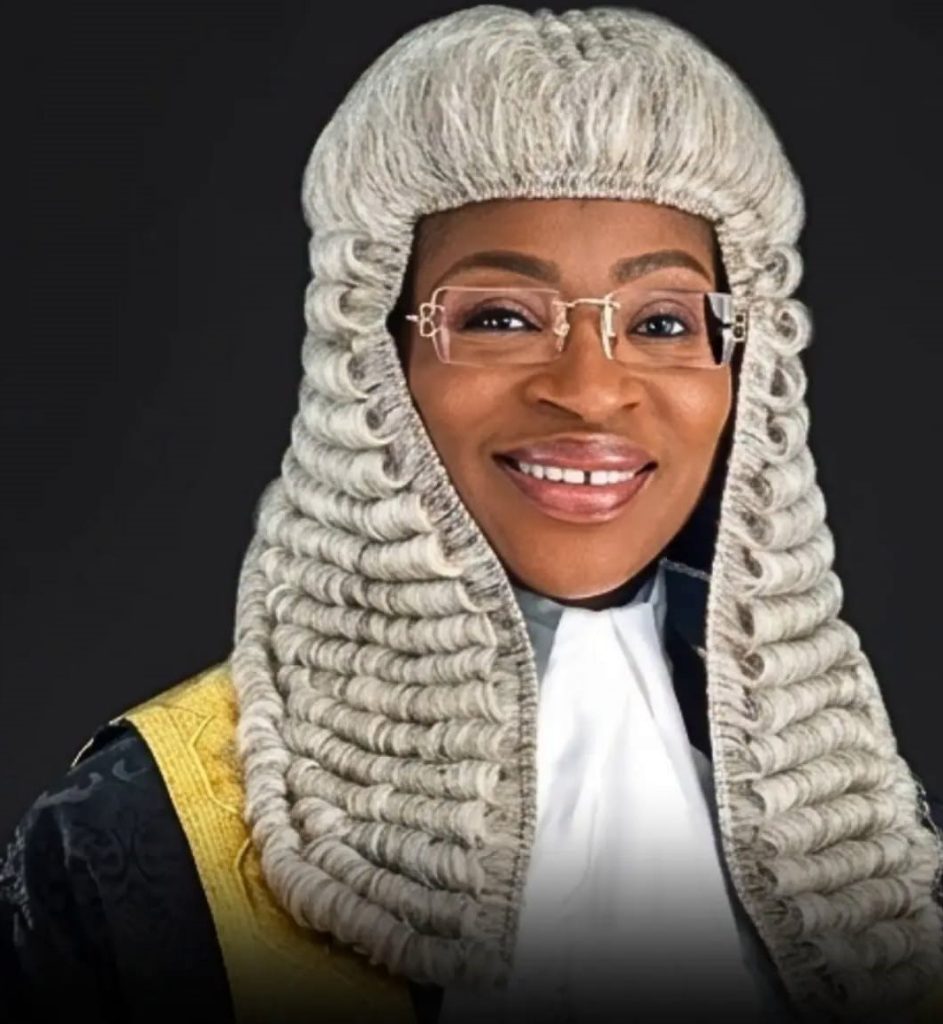
Oyinkansola Badejo-Okusanya (née Olumide) was born on January 15, 1967, in Lagos into an illustrious academic family. The eldest child of the late Professor Olufolabi Olumide, a pioneering surgeon and first Vice-Chancellor of Lagos State University, and Clara Olumide (née Solarin), the first female Registrar of the University of Lagos, she grew up on the UNILAG campus in Akoka. According to her, this environment instilled values of integrity, hard work, excellence, and public service in her.
She first earned a degree in English from the University of Lagos (1987) before returning for her LL.B. Called to the Bar in 2002, she began her legal career at Olaniwun Ajayi LP, building expertise in litigation and commercial law. She served as Senior Special Assistant on Justice Sector Reform to Governor Babatunde Fashola (2007), contributing to Lagos justice reforms. A founding partner at Africa Law Practice NG & Co., she co-heads the Litigation and Dispute Resolution Practice. She is a Fellow of the Chartered Institute of Arbitrators and a CEDR-accredited Mediator. Conferred Senior Advocate of Nigeria in September 2025, her elevation came shortly before her historic NBA run.
Her NBA service spans decades of quiet dedication: Assistant Secretary, Lagos Branch; various committees on conferences, building, and planning; and leadership in dinners and investigations. On July 19, 2026, she won the presidency with 12,317 votes (47.18 per cent), becoming the 33rd President and the first woman elected to the office (second overall after Dame Priscilla Kuye). She assumes office in August 2026.
As a disputes expert and public policy professional, she brings pragmatic vision to strengthening the NBA as Africa’s largest Bar association.
Badejo-Okusanya’s journey from English literature to NBA presidency symbolises resilience and versatility. Her tenure is expected to elevate ethical standards, promote inclusion, and position the Bar as a stronger pillar of democracy.
- This article was originally published in THE PUNCH newspaper
(C) CITY LAWYER Magazine. All rights reserved. To join our Channel, click here. Click here to join our WhatsApp chatroom. Contact us at citylawyermag@gmail.com or 081-3838-0083.